
Customer Media: The Future of Marketing
The most effective thing in marketing has never been something you could actually buy. Stanley proved what closing that gap is worth — and got there by luck. Customer Media is how you build it on purpose.

Michael Haywood
Co-Founder & CEO · July 28, 2026 · 8 min read
BrandPay rewards your customers with store credit for posting about you, and turns those posts into a measurable marketing channel.
It exists to solve an old, awkward problem: the most effective thing in marketing has never been something you could actually buy.
The channel with no line on the media plan
Marketers have known this for decades.
- McKinsey attributes 20 to 50% of all purchase decisions to word of mouth.
- Invesp finds a word-of-mouth impression drives roughly five times the sales of a paid one.
- Nielsen’s long-running trust work keeps landing in the same place: around 88% of people trust a recommendation from someone they know, against 36% who trust a paid ad.
Every marketer can recite some version of these numbers. And then the media plan gets built, and word of mouth has no line on it, because until recently there was no way to commission it.
You could run ads, publish content, chase press. You could not place an order for ten thousand real customers to talk about you.
What that gap cost Stanley — and what closing it was worth
In 2019 Stanley had nearly discontinued the Quencher, a slow seller it had already pulled from its own website.
What saved it was a group of bloggers at a site called The Buy Guide, who had spotted the cup selling to a customer Stanley wasn’t targeting — women who wanted something that looked good on a counter and fit a car cupholder — and kept recommending it.
Stanley ran a colour drop with them. The first 5,000 cups sold out in four days, the next batch in an hour. On the back of ordinary people recommending the product, over and over, Stanley rebuilt the Quencher around that audience and grew from around $70 million in revenue to roughly $750 million in four years.
The instructive part isn’t the growth. It’s the fragility underneath it.
Stanley’s turnaround rested on a handful of enthusiasts who happened not to stop. There was no mechanism keeping that content flowing, no way to widen it from a few bloggers to thousands of customers, no way to make it reliable enough to plan a quarter around. The company got the single most valuable thing in marketing, and it got it by luck and goodwill — the same way brands always have.
That is the specific thing BrandPay changes.
What it actually does
You decide what customer content is worth to you — a Story, a post, a Reel — and set the reward.
A customer posts about you on their own feed, BrandPay verifies it’s a genuine post from a real person, and they earn store credit. They spend that credit back with you, which is where the economics stop resembling advertising.
The money you spent to generate the post doesn’t leave the business; it returns as that customer’s next purchase. One reward reaches that customer’s audience, gives you content you own and can reuse, and brings the customer back to buy again — so a single line of spend does the work of reach, content and retention at once.
Why it behaves like a channel
Because of a detail most loyalty and UGC tools miss: BrandPay holds three facts about the same person — who they are, what they posted, and what they bought.
That link is what lets it report the way you report Meta and Google, on CPM, CPC and Return on Reward Spend, and sit in the media plan as a performance channel rather than in a “community” line that gets cut the moment budgets tighten.
It also means word of mouth stops being the one channel you can’t attribute. You can see which customers make content that converts, and for which kinds of products.
Why the timing matters
Two shifts make customer content worth more now than it would have been even a few years ago.
Trust is actively migrating toward people and away from institutions. The 2026 Edelman Trust Barometer found trust in business slipping while trust in friends and family rose eleven points. As paid media gets more expensive and less believed, the content your customers make is the part that still persuades.
AI shopping assistants now build their recommendations from what real customers have said about a brand across the web, and they are learning to discount anything that reads as brand-authored or machine-generated. A steady flow of verified, genuine customer posts is becoming the thing that makes a brand both trusted by people and visible to the engines choosing what to recommend.
A footnote on the Stanley story
In late 2023 one of its customers posted a TikTok of her tumbler surviving a car fire, it reached 94 million views, and the company bought her a new car.
That windfall is what most people remember, and it’s the wrong lesson, because no brand can arrange one. It was the ordinary, continuous stream of customers recommending the product — the thing Stanley found by accident and most brands never build on purpose.
BrandPay is how you build it.
Ready to give your customers a reason to keep posting? See how BrandPay works or see what it costs.
Related reading: Why User-Generated Content Matters More Now Than It Ever Has • How to Measure UGC ROI • When Content Becomes Currency
Related articles
Is BrandPay Legit? How Getting Paid to Post Actually Works
No, it's not too good to be true. Here's exactly where the money comes from, what you actually earn, how the app works, and what the catch is — answered plainly.
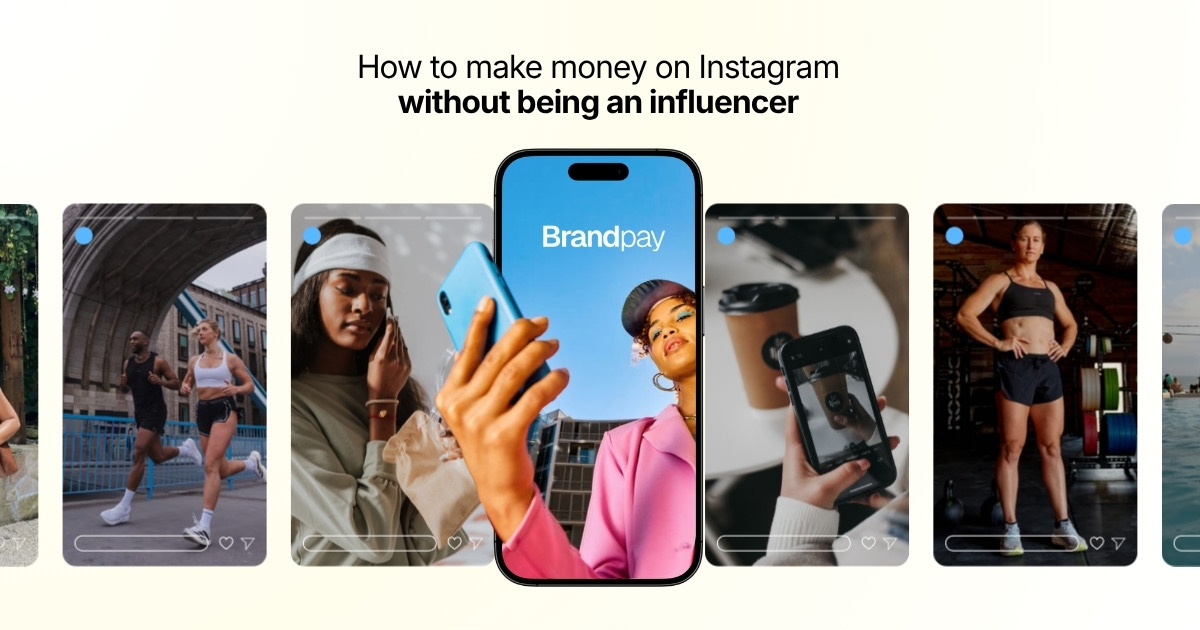
How to Make Money on Instagram Without Being an Influencer
Brand deals, UGC gigs, affiliate links and Instagram's own tools all ask you to become a marketer. Here's how to get paid for the posts you already make — no media kit, no niche, no follower minimum.
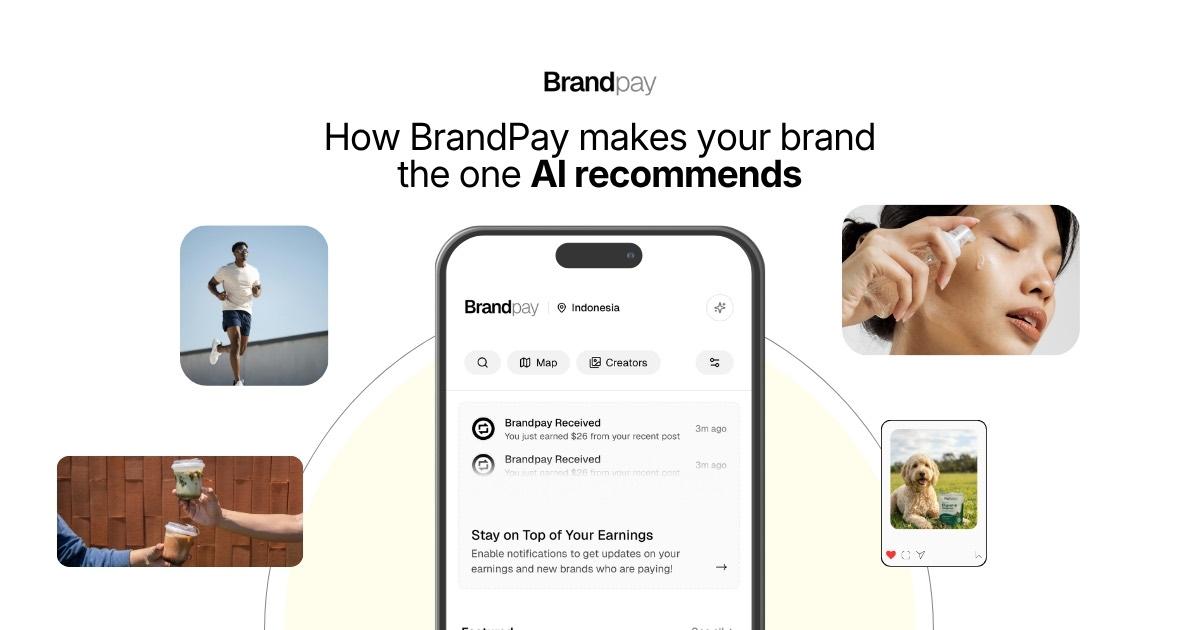
How BrandPay Makes Your Brand the One AI Recommends
Answer engines tune out what a brand says about itself and lean on what customers say. Here's how BrandPay builds the verified customer consensus that decides which brands get named.